

How parents and caregivers can support and protect youth by making the internet a safer place
Parents and caregivers can make the internet a safer place by:
- Monitoring and being aware
- Going on the internet together when possible
- Educating young people
- Communicating with young people
- Using helpful resources
1. Monitoring and being aware
Unlike physical places youth may go that are out of parents’ sight, digital technology provides opportunities to monitor where youth have been online, ideally with youths’ knowledge and consent. Parental controls – such as content filters, time limits, and applications that allow monitoring of online activities – can help.
2. Going on the internet together when possible
Viewing, creating, and participating in online spaces together can open opportunities for positive joint experiences and allow parents to identify risks or content that makes them uncomfortable.
3. Educating young people
Parents can explain the potential risks of digital technology use, discussing the importance of keeping personal information safe and of moderating screen time to make room for in-person activities. Developing a family media plan with your child can help start a conversation about the types of activities and platforms children are allowed to spend time on, and will allow young adolescents to have input into any rules that may govern their use.
4. Communicating with young people
Talking to your child about what they are seeing or experiencing on the internet should become part of daily conversations. When youth are exposed to age-inappropriate content or encounter problematic experiences like cyberbullying or social rejection, having an adult to talk to can make a difference. (Common Sense Media offers prompts to start talking, from conversations about activities to more specific concerns about emotional health and negative feelings.)
5. Using helpful resources
Parents and teachers can access a growing list of resources to help support children online, including:
- The One Mind PsyberGuide provides a teen-specific guide to online mental health applications.
- Common Sense Media resources support parents navigating traditional and new forms of media engagement.
- The American Academy of Pediatrics has a guide to creating a family media plan.
- Teens and Tech Center provides education and resources for parents, educators, and teenagers.
Designing technology to support young people
Even with parents’ best efforts, it is impossible to oversee children’s every online interaction. As parents, we have limited influence over how our children’s data are handled and stored, the types of targeted advertising they are exposed to, and the features intended to encourage them to stay on the internet for long periods of time.
Talking to your child about what they are seeing or experiencing online should become part of your daily conversations.
We expect that the physical spaces where our children spend time, like community parks, sports fields, and classrooms, help them grow and learn while keeping them safe. Digital spaces should be the same. Some lawmakers are working toward this.
For example, last year, California passed a bill that will require digital technology companies to protect young users’ privacy and personal data, limit dangerous content, and maintain default settings that prioritize safety. New York is considering similar legislation. While changes that would enhance safety are important, companies and policies must also consider regulations and design features that intentionally promote positive development in online spaces where youth congregate.
What do caregivers need to know about equitable access to digital technology?
Research is clear that children in families and schools with fewer resources receive less guidance tailored to learning as they begin to navigate the online world than do their peers in families and schools with more resources. Adolescents from minoritized and marginalized communities – such as youth of color and LGBTQ+ youth – are at the greatest risk for experiencing harassment and victimization online, even as they report positive experiences like finding “spaces of refuge” and community on the internet that may not be available to them in their physical environments.
Although discussion of technology tends to focus on limiting screen time, too many students are unable to access the basic benefits of technology, particularly for learning and education. Black and Hispanic students and those from families with lower incomes are more likely to have limited access to devices and the Internet than their peers.
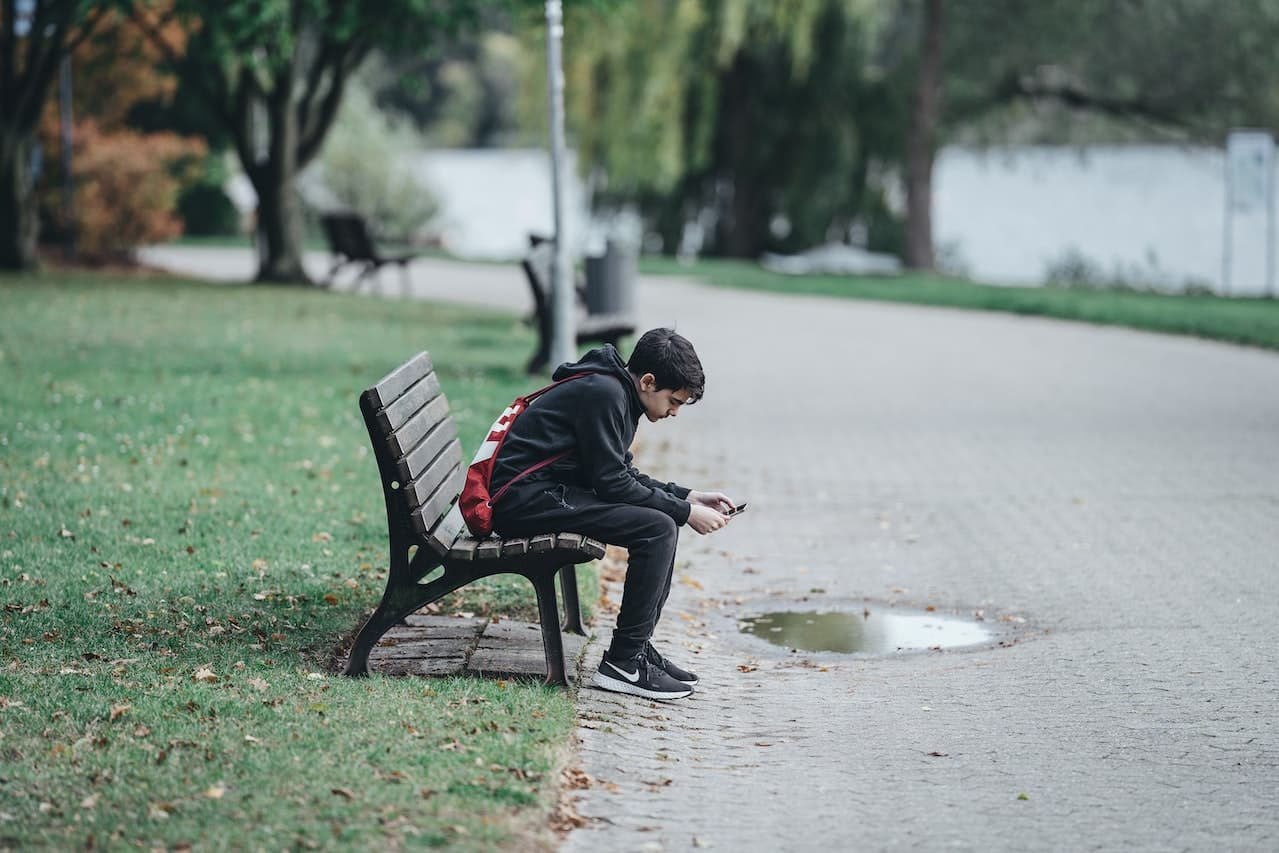
Photo: Omar Ramadan. Pexels.
To help address these gaps, many school districts are working to provide free or reduced-cost WiFi to students. Families who need help to afford reliable Internet access and connected devices can contact their local school district or apply for the Affordable Connectivity Program.
In addition, digital technology companies and policymakers need to establish digital solutions and innovations that make the online world a place of opportunity rather than posing added risks for our most vulnerable youth.
Conclusion
Early adolescence brings new opportunities for building connections, education, and healthy learning and exploration. If we focus the conversation around “teens and tech” only on protection, we may miss opportunities to meet young people where they are and build online environments that match their needs.
Parents and caregivers have an important role in helping our children develop a healthy relationship with digital technologies. That includes talking directly with them about potential risks of online interactions and how to moderate digital technology use, providing oversight where possible to see what children are doing on the internet, and setting limits to ensure that technology does not interfere with sleep and other activities important to well-being. Most importantly, it means building strong relationships with our children so they tell us what is going on and when they are struggling.
But we cannot do this on our own. It is time for the owners, designers, and creators of the online spaces where young people spend their time to step up and build environments that support young people while also keeping them safe. We need to ask different types of questions so we learn not just how to protect but also how to support our children’s healthy development in an increasingly digital world.